
Winter Tyres in the UK – Do You Actually Need Them?
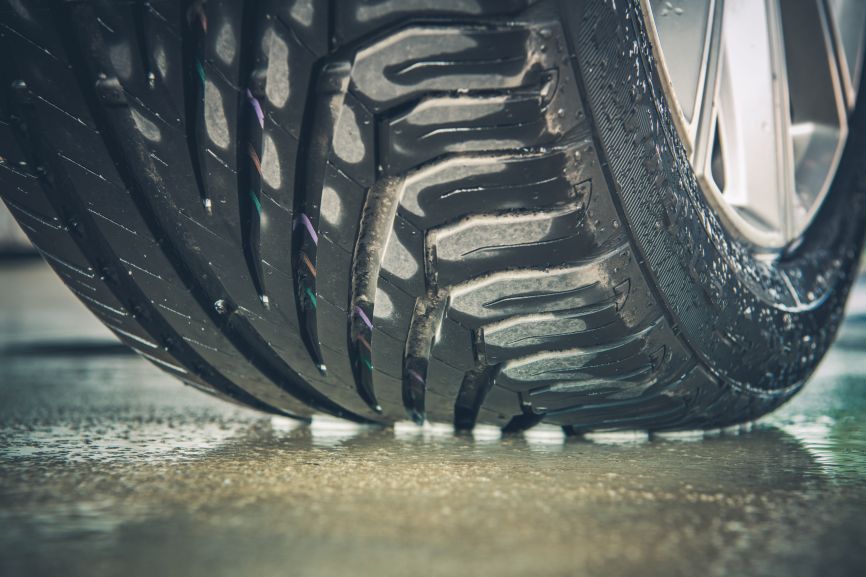
Winter tyres are standard equipment across much of Europe and still relatively unusual on British driveways. That isn’t because UK drivers are reckless. The conditions are different here.
For most drivers around Redhill and the South East, full winter tyres are more than they need. We get plenty of cold rain, frost and occasional snow, but rarely long periods of snow-covered roads.
There are drivers who genuinely benefit from them. If you regularly face snow, ice, steep rural roads or journeys you can’t postpone, winter tyres can make a real difference.
Here’s how to work out which camp you’re in.
What a winter tyre actually is
A winter tyre is designed to perform in cold-weather conditions, particularly snow, slush and ice.
You’ll also hear them called snow tyres. In everyday UK usage, “winter tyres” and “snow tyres” generally refer to the same category, even though individual models vary in how heavily they’re optimised for severe snow.
The difference isn’t just a seasonal label. Winter tyres use rubber compounds formulated to remain more flexible at low temperatures, along with tread patterns designed to work in winter conditions. They also have extensive siping: the fine cuts across the tread blocks that create extra biting edges on snow and slippery surfaces.
One marking worth knowing is the Three-Peak Mountain Snowflake, usually shortened to 3PMSF. A tyre carrying the symbol has met a defined minimum performance requirement in a standardised regulatory snow test.
That’s more meaningful than M+S on its own. M+S stands for mud and snow, but the marking by itself doesn’t require the same certified snow-performance test.
Our guide to whether all-season tyres are worth it in the UK explains these markings in more detail.

Are winter tyres a legal requirement in the UK?
No.
There is no general UK law requiring motorists to fit winter tyres during particular months or when temperatures fall. In a 2024 answer on mandatory winter tyres, the Department for Transport said the Government had no plans to introduce such a requirement, noting the UK’s relatively low frequency of prolonged heavy snow and ice.
What does apply throughout the year is the normal law on tyre condition and roadworthiness.
For cars and light vans, the legal minimum tread depth is 1.6mm across the central three-quarters of the tread and around the entire circumference. Tyres must also be suitable for use, correctly inflated for the vehicle and load, and free from defects that make them unsafe.
Read our guide to the legal tread depth and how to check it, or see TyreSafe for further tread-depth guidance.
The current GOV.UK vehicle safety guidance also covers tyre tread and general roadworthiness.
If you’re driving abroad, don’t assume UK rules follow you. Winter tyre and snow-chain requirements vary between countries and can depend on dates, weather, regions and road signs, so check the rules for every country on your route.
Do you need winter tyres where you live?
For most drivers in Redhill, Reigate, Horley and Merstham, we wouldn’t automatically recommend buying a separate winter set.
Surrey winters are much more likely to mean cold rain, wet roads and occasional frost than sustained snow and ice. Main routes are also more likely to be treated than isolated rural lanes.
Winter tyres probably aren’t necessary if:
- most of your driving is around the South East
- you mainly use gritted A-roads, motorways and urban streets
- your annual mileage is modest
- you can work from home or delay a journey in severe weather
- snow is an occasional disruption rather than something you regularly drive through
The calculation changes when bad winter conditions become unavoidable.
There’s a stronger case for dedicated winter tyres if you regularly drive in Scotland, northern England or upland areas, use untreated rural lanes, tow through winter, travel at times when roads may not yet have been gritted, or have a job that requires you to drive regardless of the forecast.
The same logic can apply closer to Redhill. A driver regularly crossing exposed or higher routes around the North Downs before roads have been treated has different needs from someone doing a daytime urban commute.
Think about the difficult journeys you actually make.
If you can leave the car at home during Surrey’s worst snowy mornings, four dedicated winter tyres may be hard to justify. If getting through is essential, the extra winter capability matters much more.
Are summer tyres OK in winter?
Yes. Summer tyres are legal to use through a UK winter as long as they remain roadworthy and suitable for the vehicle.
Summer tyres are designed primarily for milder and warmer conditions. As winter arrives, you’re more likely to encounter cold roads, standing water, frost, slush and occasional snow. A summer tyre won’t suddenly become unsafe because the thermometer crosses a particular number, but its design is less focused on the conditions where winter tyres have their biggest advantages.
You’ll often hear 7°C quoted as the point for changing to winter tyres. Treat that as an industry rule of thumb, not a scientific cliff edge. Real tyre performance depends on the tyre itself, the road surface, whether it’s wet or dry, the vehicle and the conditions.
The strongest argument for winter tyres is snow and ice.
For many South East drivers who mainly face cold and wet roads, that creates a stronger case for changing from summer tyres to all-seasons rather than maintaining a dedicated winter set.
Winter tyres vs all-season tyres
Winter tyres are specialists. All-season tyres are compromises designed to cover a much wider range of conditions.
| Condition | Winter tyres | All-season tyres |
| Snow and ice | Best choice of the two | Capable, but not equal to a dedicated winter tyre |
| Cold wet roads | Strong, depending on model | Strong, depending on model |
| Warm dry roads | Less suited and may wear faster | Better suited to year-round use |
| Second seasonal set | Usually yes | No |
| Seasonal swapping | Yes | No |
| Best for | Regular snow, ice, upland or northern driving | Most UK drivers wanting one year-round set |
Independent testing matters here because the badge on the sidewall doesn’t tell you everything. Tyre Reviews publishes comparative winter tests covering snow, wet and dry performance, and the results show meaningful differences between individual tyre models even within the same category.
For most drivers around Surrey, the simplicity of a capable all-season tyre is difficult to ignore. Options available through Street Tyres include the Michelin CrossClimate 2 and Continental AllSeasonContact.
For the full comparison, read whether all-season tyres are worth it in the UK.
Trying to work out whether winter tyres are worth it for the driving you actually do? Ring us and describe your commute – more often than not there’s a cheaper answer.
When should you fit and remove winter tyres?
Drivers who use separate summer and winter sets commonly change to winters in autumn and return to summers in spring.
October to March is a useful rough window, but conditions matter more than the calendar.
The familiar 7°C guideline can help as a simple reminder that winter tyres are designed around sustained colder conditions. It shouldn’t be treated as an exact switching point.
Once the weather is consistently milder and serious winter conditions have passed, switch back to your summer set.
Leaving winter tyres on through warm weather removes much of the benefit of owning two specialist seasonal sets.
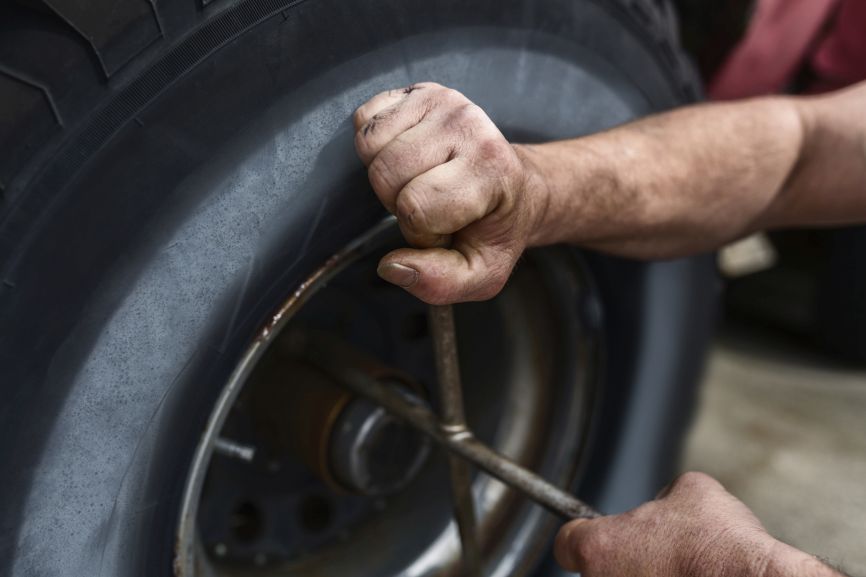
Can you use winter tyres in summer?
You can use them, but it usually doesn’t make sense.
Winter compounds and heavily siped tread patterns are optimised for colder conditions rather than hot, dry roads. In warmer weather they can wear faster and may feel less precise than a suitable summer tyre. Independent testing also shows that performance differences between winter, summer and all-season tyres change substantially with the surface and temperature.
If you’re planning to leave winter tyres on all year purely to avoid changing them, you’ve probably chosen the wrong category.
A driver who wants one set for January, July and everything between should look at whether all-season tyres are worth it in the UK instead.
What do winter tyres cost?
There isn’t one useful national price because tyre size makes such a large difference.
As a rough current UK market guide, winter tyres for common car sizes can start at around £70 to £80 per tyre at the cheaper end, while premium winter tyres in the same sort of mainstream sizes can reach roughly £170 to £200 or more when fitted. Larger wheels, SUV fitments, run-flats and performance sizes can cost substantially more.
The important figure is the cost of the whole setup.
A proper winter set normally means four tyres. Then you need to account for changing between your summer and winter tyres, usually once in autumn and again in spring, plus somewhere suitable to keep whichever set isn’t on the car.
A second set of wheels increases the upfront spend but can make seasonal changes simpler because complete wheel-and-tyre assemblies can be swapped rather than removing and refitting tyres on the same rims.
For a Surrey driver who sees serious snow only occasionally, the extra purchase, swapping and storage burden is often where the case for winter tyres becomes difficult.
If you’re deciding what level of tyre makes sense, read what you actually get for the money at each tier.
Brand alone isn’t enough to choose a tyre either. For more context, we’ve also explained where each tyre brand sits and who owns it.
What about studded tyres?
Studded tyres are designed for conditions very different from an ordinary British winter.
They use small metal studs to create extra bite on hard-packed snow and ice. That can be useful in countries where frozen surfaces persist for long periods.
They’re not a practical or appropriate choice for normal UK driving.
On clear tarmac, metal studs can increase road-surface wear, and the conditions that justify them are uncommon here. UK government material has also treated studded tyres separately from ordinary road tyres, which is another reason not to assume the rules applying to conventional winter tyres apply in exactly the same way.
For a normal UK motorist, there’s little reason to consider them. If you’re travelling abroad into a country where studs or other winter equipment may be used, check that country’s current rules before setting off.
Winter tyres and your insurance
Winter tyres aren’t automatically treated like a conventional performance modification, but you still shouldn’t assume every insurer handles them identically.
The Association of British Insurers has previously stated that participating insurers generally didn’t charge an additional premium when winter tyres met the vehicle manufacturer’s specifications and were roadworthy. Some insurers still required customers to tell them about the change.
That’s why the sensible advice is simple: check your own policy.
This is especially important if you’re changing wheel size, using a non-standard wheel-and-tyre combination or fitting a winter tyre with specifications that differ from the original setup.
Your insurer’s terms are the ones that matter, not what happened with somebody else’s policy.
Getting winter-ready in Redhill
If your driving genuinely justifies dedicated winter tyres, Street Tyres stocks winter options.
The Continental range available includes the WinterContact TS 870 P and WinterContact TS 830.
Drivers of suitable 4x4s and SUVs can also look at the Continental CrossContact Winter, while the Continental VancoWinter covers suitable van applications.
Tyres can be fitted at Street Tyres on Holmethorpe Avenue, with mobile fitting available across Redhill, Reigate, Horley and Merstham.
If nearly all your driving is local and your worst winter conditions amount to cold rain, frost and occasional snow, a good all-season tyre may be the better use of your money.
If you regularly drive north, use rural or exposed roads, tow during winter or absolutely have to travel when snow arrives, explain that when you call. Those details can change the recommendation.
A dedicated winter setup also means changing tyres again in spring, so it makes sense to talk through your mileage, routes and vehicle before ordering.
You can check tyre prices for your registration or get in touch if you’d rather discuss the options first.
Check prices Find the right tyres for your car Enter your registration for prices on tyres that fit. Fitting at our Redhill workshop or at your door.
FAQs
Are winter tyres a legal requirement in the UK?
No. There is no general UK requirement to fit winter tyres during winter. Your tyres still have to meet the normal rules on tread depth, condition, suitability and roadworthiness. If you’re travelling abroad, check the rules for every country on your route because winter equipment requirements vary.
Are summer tyres OK in winter?
Yes, provided they’re roadworthy and appropriate for your vehicle. Many UK drivers use summer tyres all year. Their limitation is performance in harsher winter conditions, particularly snow and ice. If you want more winter capability without seasonal tyre changes, all-season tyres may be a more practical option.
Do I need winter tyres in the South East?
Most drivers don’t. Around Redhill and much of the South East, winter usually means cold and wet roads rather than prolonged snow. Dedicated winters make more sense if you regularly use untreated, exposed or rural roads, must travel whatever the weather, or frequently drive into colder regions.
Are winter tyres the same as snow tyres?
In normal UK usage, yes. “Snow tyres” is commonly used as another name for winter tyres. Modern winter tyres aren’t designed only for deep snow, though. Their compounds, tread patterns and siping are intended to improve performance across a range of cold-weather conditions including snow, slush and ice.
Can you use winter tyres all year round?
You can leave them fitted, but it’s generally a poor year-round compromise. Winter tyres are optimised for colder conditions and can wear faster in warm weather. If you want one set to handle British summer and winter conditions without seasonal changes, all-season tyres are designed for that job.
Are winter tyres or all-season tyres better for the UK?
For most drivers, particularly in southern England, all-season tyres are the more practical choice. They offer useful winter capability without a second seasonal set. Dedicated winter tyres remain the stronger option for regular snow and ice, so they suit drivers who genuinely face harsher or unavoidable winter conditions.
Tyres in Redhill, fitted in-store or at your door Street Tyres has been fitting tyres in Redhill since 2016, rated 4.8 from 392 Google reviews. Bring your car to our Holmethorpe Avenue centre, or we will come to you across Redhill, Reigate, Horley and Merstham.