Tyre Pressure Warning Light On? Here’s What It Means
That amber symbol shaped like a tyre with an exclamation mark in the middle means your car has detected a tyre-pressure problem. It doesn’t necessarily mean you’ve got a puncture, and it doesn’t automatically mean the monitoring system is broken.
When temperatures drop, tyre pressures drop too. That’s why these lights often appear in autumn and winter even when there isn’t a nail in the tread.
What matters is what happens next. If the light clears after the tyres are correctly inflated, the system may simply have done its job. If it comes back or won’t go out, there’s something worth checking.
Can you keep driving with the tyre pressure warning light on?
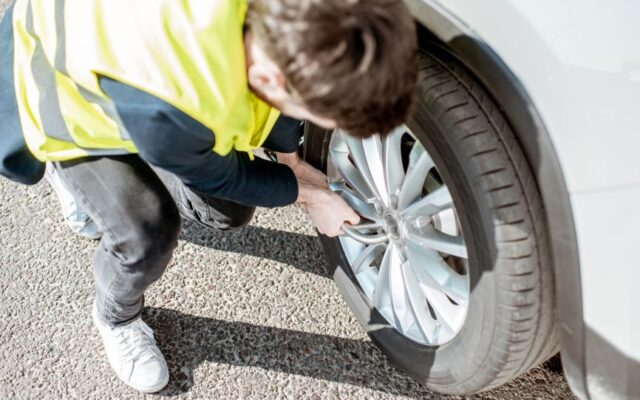
If a tyre is only slightly below its recommended pressure, still looks normal and the car feels normal, a short, careful drive to an air pump or tyre garage is usually reasonable.
Don’t carry on as normal if a tyre looks visibly soft or flat, the car feels unstable, the steering suddenly feels different, or the warning appeared abruptly while you were driving at speed. Find somewhere safe to stop and check the tyres.
Driving on a significantly underinflated tyre can damage it surprisingly quickly. With too little air inside, the sidewall flexes much more than it should. That builds heat and can damage the casing and internal structure.
This matters because a small tread puncture might have been repairable when you first noticed it. Drive on the tyre while it’s badly underinflated and the extra damage can turn a repair job into a replacement tyre.
What does the tyre pressure warning light look like?
The usual TPMS symbol looks like a cross-section of a tyre, open at the top, with an exclamation mark in the centre. It normally appears in amber or yellow.
Some cars also display a written message showing low tyre pressure or identifying a particular wheel.
A steady light commonly points to pressure loss. If the lamp flashes several times and then stays on, that can indicate a TPMS malfunction rather than simply low pressure. The exact behaviour varies between vehicles, so check the handbook if you’re unsure.
The four things that can set it off
A tyre pressure warning light has a small number of common causes. Working through them in order is usually quicker than assuming you’ve got a puncture.
Actually low pressure
The most obvious cause is also one of the most common: one or more tyres are genuinely underinflated.
That could be because of a slow puncture, a leaking valve, air escaping around the wheel rim, or gradual pressure loss over time. Tyres don’t stay at exactly the same pressure indefinitely, which is why regular manual checks still matter even when a car has TPMS.
Low pressure can affect handling and grip, increase fuel use and accelerate tyre wear. Prolonged underinflation can also make the shoulders wear faster than the centre. Our guide to what uneven wear across the tyre is telling you explains how different wear patterns can point towards pressure, alignment or suspension problems.
Cold weather
This is the cause many drivers don’t expect.
As the air inside a tyre gets colder, its pressure falls. A car that was already close to the TPMS warning threshold in mild weather can therefore show a warning after a cold night without developing a new puncture.
The right response isn’t to ignore the light because the weather has changed. Check all four tyres against the vehicle manufacturer’s recommended pressures and inflate them correctly if needed. If the pressures then remain stable and the warning clears, the temperature change may have been the reason.
If one tyre drops again while the others remain stable, start looking for a leak.
A failing TPMS sensor
Cars with direct TPMS use electronic sensors mounted inside the wheels, usually as part of the valve assembly. Those sensors contain sealed batteries that typically last around five to ten years.
As the battery weakens, a sensor may stop transmitting reliably or fail altogether.
A sensor fault becomes more likely if the tyres are correctly inflated but the warning flashes, returns repeatedly or the car reports that a sensor can’t be detected.
Not every vehicle has an individual pressure sensor in each wheel. Indirect TPMS systems use information from the ABS wheel-speed sensors to identify changes in tyre rotation, so there may be no separate in-wheel pressure sensor to replace.
The system needs resetting or relearning
Sometimes the tyres are fine and the monitoring system simply hasn’t caught up with a change.
Depending on the vehicle, a reset or relearn may be required after the pressures have been adjusted, tyres have been replaced, wheels have been rotated or TPMS components have been changed.
Some cars use a physical reset button. Others have a dashboard or infotainment menu. Some systems relearn automatically once the car has been driven.
Don’t reset the system just to make the warning disappear. Correct the tyre pressures first, then use the procedure specified in the vehicle handbook.
What’s the correct tyre pressure for your car?
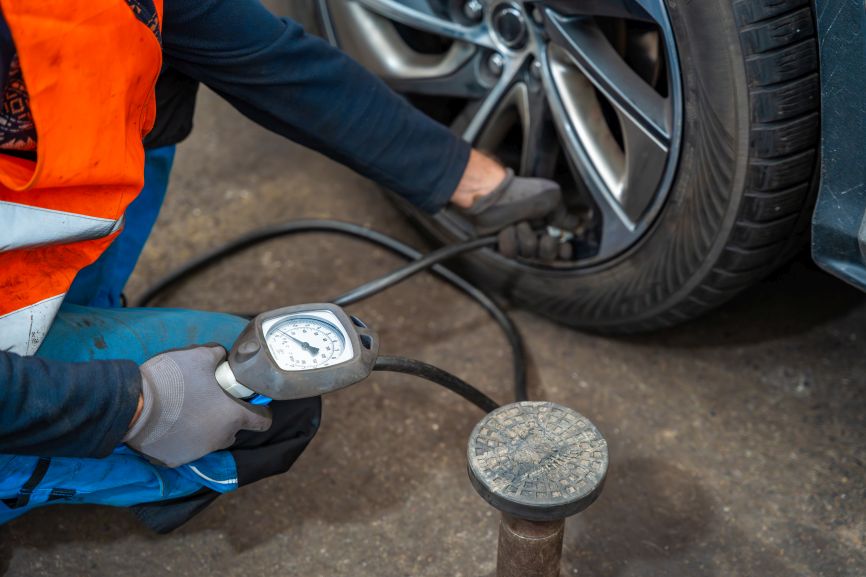
Use the pressure specified by the vehicle manufacturer rather than a generic pressure chart.
You’ll normally find the correct settings in the vehicle handbook, on a sticker or plate in the driver’s door shut, or inside the fuel filler flap. Front and rear pressures can differ, and many vehicles specify different settings when carrying extra passengers or luggage.
Don’t use the pressure moulded into the tyre sidewall as your target. Sidewall markings can include a maximum pressure for the tyre, but that isn’t the same thing as the recommended operating pressure for your car.
Check the pressures when the tyres are cold where practical. While you’re there, inspect the tread and sidewalls too. Our guide explains how to check your tread depth, and TyreSafe has further guidance on tread and tyre condition.
Light come back on after you’ve topped them up? That usually means a leak or a failing sensor. Ring us and we’ll find out which without you guessing.
Why does the pressure keep dropping with no puncture?
A tyre can lose pressure without an obvious nail sticking out of the tread.
One common cause is a leaking valve. The valve core, seal or stem can let air escape slowly, and the leak may be too small to hear.
Alloy wheel corrosion can also cause problems around the area where the tyre bead seals against the rim. If that sealing surface deteriorates, air can escape between the tyre and wheel even though there is no visible damage in the tread.
If a new tyre starts losing pressure soon after fitting, the bead may not be sealing correctly. There may also be corrosion or damage on the rim, or a valve or TPMS component could be leaking. It doesn’t automatically mean the new tyre itself is defective.
A very small tread puncture can be difficult to spot as well. If the tyre is otherwise suitable for repair, our guide explains when a puncture can be repaired and when it can’t.
You can sometimes narrow down a slow leak with soapy water. Apply it around the valve, tread area and tyre bead, then look for a spot where bubbles keep forming or growing. That can help locate escaping air, but it doesn’t establish whether a damaged tyre is safe to repair. The tyre may still need to come off the wheel for a proper internal inspection.
What if all four tyres are losing pressure at once?
If all four tyres are down by a similar amount, four simultaneous punctures are unlikely.
A temperature drop is one possibility. Another is simply that the pressures haven’t been checked for a while and all four tyres have gradually lost some air.
Inflate them to the vehicle manufacturer’s recommended settings, complete any reset or relearn procedure your car requires, and monitor them.
If one tyre starts losing pressure faster than the others, concentrate the diagnosis on that wheel. If all four keep dropping, have them checked.
Will the tyre pressure warning light fail an MOT?
It can, but low tyre pressure and a TPMS malfunction aren’t treated as the same thing.
Under the current DVSA MOT inspection manual, TPMS inspection applies to M1 vehicles first used on or after 1 January 2012, subject to limited exclusions for certain M1 motor caravans, ambulances and hearses over the specified weight threshold.
For vehicles within the rule, a TPMS that is malfunctioning or obviously not working is a Major defect, so the vehicle fails its MOT.
The warning light being illuminated doesn’t automatically mean the TPMS itself has failed. DVSA says the lamp may remain on when the system has detected pressure loss. If the tester can’t determine whether the lamp is indicating a system malfunction or simply low tyre pressure, advisory information should be added instead.
Separately, an obviously underinflated tyre is listed as a Minor defect in the current MOT manual.
So a car can have perfectly acceptable tread and still fail because the TPMS itself is malfunctioning. If you’re preparing for a test, read what happens if your car fails its MOT on tyres before assuming tread depth is the only tyre-related issue that matters.
How do you reset the tyre pressure warning light?
Start by checking and correcting the pressure in every tyre. Resetting the warning while a tyre is still underinflated can hide the immediate warning without fixing the cause.
Once the pressures are correct, use the reset method specified for your car.
Depending on the manufacturer and system, that may involve a TPMS reset button, a dashboard or infotainment menu, or an automatic relearn after the vehicle has been driven.
If you’re wondering where the TPMS reset button is, your car may not have one. The location and procedure vary between manufacturers, models and model years, so use the vehicle handbook rather than generic instructions.
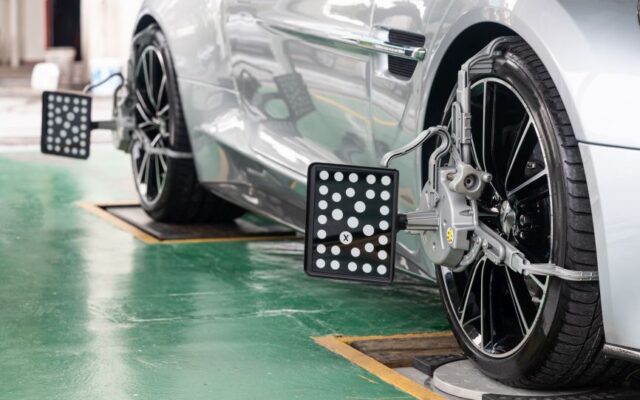
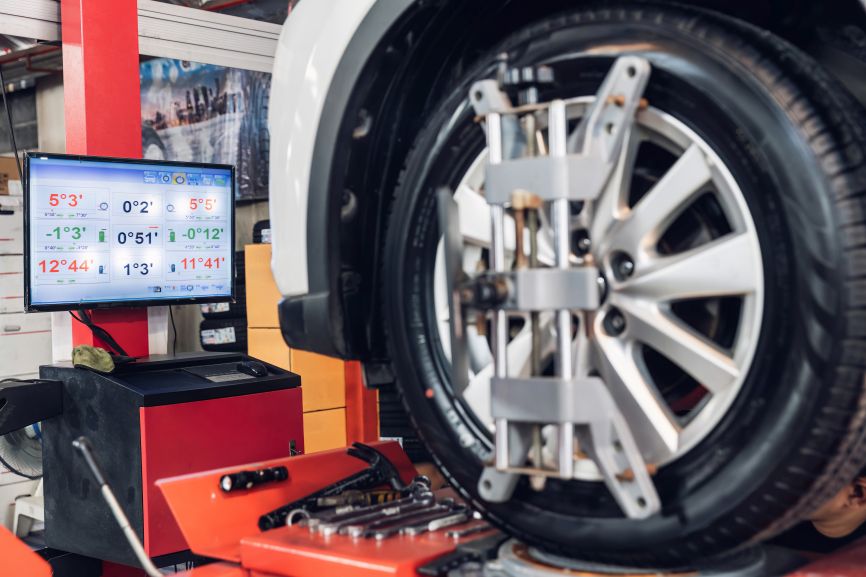
If the light won’t go out after the pressures are correct and the proper reset or relearn has been completed, the next step is diagnosis. A slow leak, sensor fault or another TPMS problem may be responsible.
What does a TPMS sensor cost to replace?
For a direct TPMS system, a typical UK market range for replacing one sensor is around £60 to £150 including the sensor and fitting. That’s a general market estimate, not a Street Tyres price.
The total depends on the sensor type, vehicle compatibility, whether programming is required and whether the vehicle needs a relearn procedure afterwards.
Because a direct TPMS sensor is normally mounted inside the wheel, the tyre has to be deflated and moved away from the rim to access it.
Indirect TPMS works differently. It usually relies on wheel-speed information from the ABS system rather than a battery-powered pressure sensor inside each wheel, so there may be no separate tyre-pressure sensor to replace.
Before paying for a sensor, have the cause diagnosed. A low tyre, leaking valve, poor bead seal or other fault can trigger a warning without the electronic sensor itself being defective.
Getting it checked in Redhill
If the warning keeps coming back, Street Tyres can check tyre pressures and tyre condition at our Holmethorpe Avenue workshop in Redhill and help identify whether you’re dealing with pressure loss, a valve problem or a TPMS issue.
If a tyre needs replacing, you can check tyre prices for your registration online first.
Mobile tyre fitting is available across Redhill, Reigate, Horley and Merstham. That gives you another option if a tyre is too flat to drive on safely or won’t hold enough pressure to reach the workshop.
If you’re unsure whether the car should be driven, get in touch before risking further tyre damage.
Check prices Find the right tyres for your car Enter your registration for prices on tyres that fit. Fitting at our Redhill workshop or at your door.
FAQs
Can I drive with the tyre pressure warning light on?
If the tyre is only slightly low, looks normal and the car feels stable, a short, careful drive to an air pump or tyre garage may be reasonable. If a tyre looks flat, the car feels unstable or pressure is dropping rapidly, stop somewhere safe. Driving significantly underinflated can damage the tyre internally.
Why does my tyre pressure light come on in cold weather?
Tyre pressure falls as the air inside the tyre gets colder. If a tyre was already close to the TPMS warning threshold, colder weather may be enough to trigger the light. Check all four tyres against the manufacturer’s recommended pressures rather than assuming the warning can be ignored.
Why won’t my tyre pressure light go off?
First check that every tyre is at the correct pressure and complete the reset or relearn procedure specified in the vehicle handbook. If the light stays on or comes back, possible causes include a slow leak, leaking valve, poor bead seal, failing direct TPMS sensor or another system fault.
Will a tyre pressure warning light fail an MOT?
Not automatically. For M1 vehicles first used on or after 1 January 2012, a TPMS that is malfunctioning or obviously not working is a Major defect. A lamp showing genuine pressure loss is different, and DVSA says it doesn’t automatically mean the monitoring system has malfunctioned.
Why is my tyre losing pressure with no visible puncture?
The leak may simply be too small to see. Common causes include a leaking valve, corrosion where the tyre seals against the wheel, a poorly seated bead or a tiny tread puncture. Temperature changes can also alter pressure without there being a leak, especially when several tyres drop together.
How do I reset the tyre pressure warning light?
Inflate every tyre to the vehicle manufacturer’s correct setting first. Then follow the TPMS reset procedure in the vehicle handbook. Depending on the car, that may use a dashboard menu, a physical button or an automatic relearn while driving. If the warning still remains, have the system checked.
Tyres in Redhill, fitted in-store or at your door Street Tyres has been fitting tyres in Redhill since 2016, rated 4.8 from 392 Google reviews. Bring your car to our Holmethorpe Avenue centre, or we will come to you across Redhill, Reigate, Horley and Merstham.